


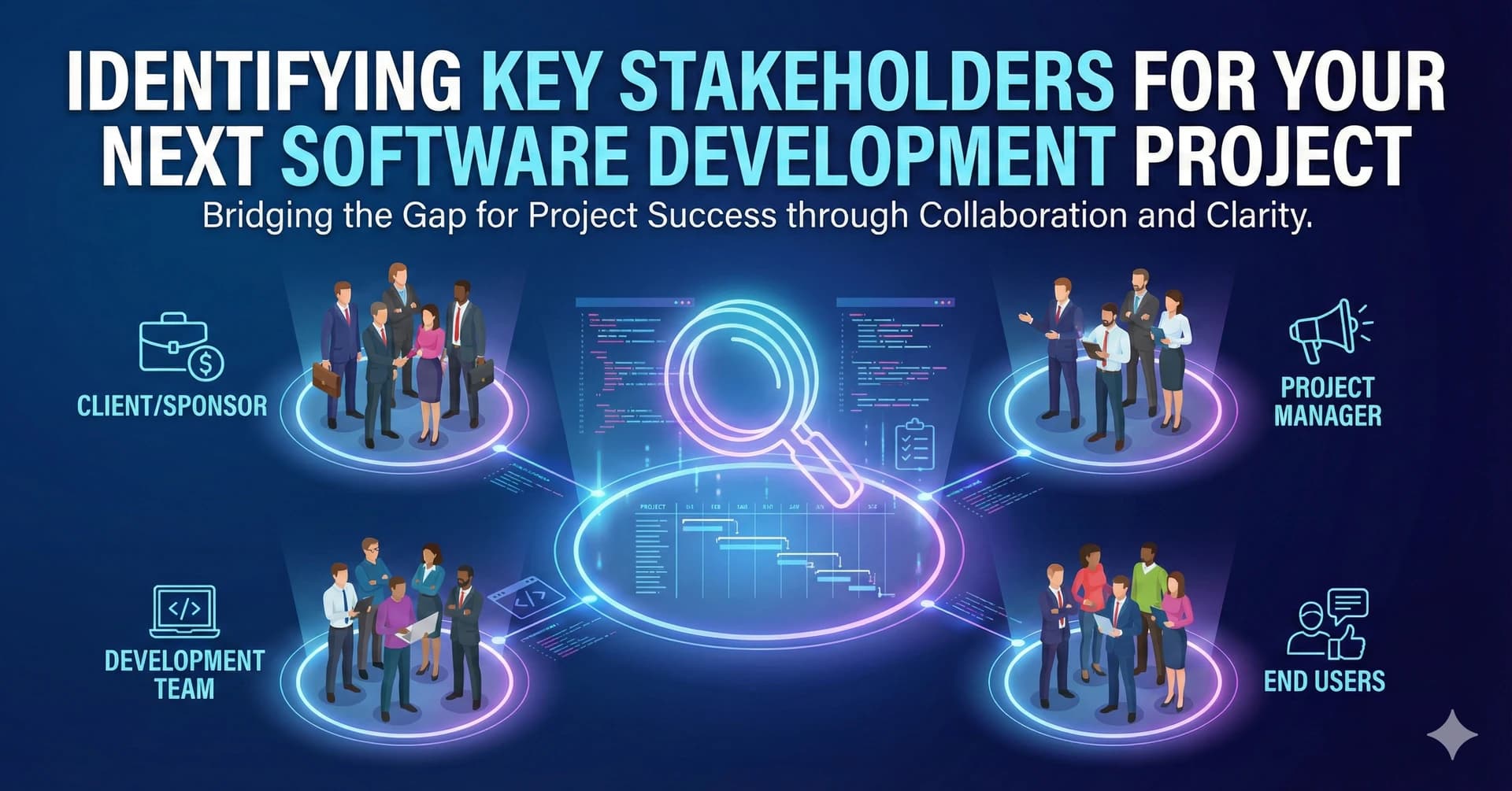
Identifying key stakeholders is an important step in project management as they can provide valuable input, resources, and support for the project. Here are some steps to help you identify key stakeholders:
-
- Define the Project Scope and Objectives
Before identifying stakeholders, it's crucial to have a clear understanding of your project's scope and objectives. This will help you determine who will be affected by or have an interest in the project.
-
- Brainstorm Potential Stakeholders
Gather your project team and brainstorm a list of all potential stakeholders. Consider individuals, groups, and organizations that could be impacted by or have influence over the project.
-
- Categorize Stakeholders
Group stakeholders into categories such as:
- Internal stakeholders (employees, management, departments)
- External stakeholders (customers, suppliers, partners, regulators)
- Primary stakeholders (directly affected)
- Secondary stakeholders (indirectly affected)
-
- Assess Stakeholder Interest and Influence
Evaluate each stakeholder's level of interest in the project and their ability to influence its outcome. This can be done using a power/interest grid or similar analysis tool.
-
- Prioritize Stakeholders
Based on your assessment, prioritize stakeholders according to their importance to the project. High-power, high-interest stakeholders should typically receive the most attention.
-
- Identify Stakeholder Needs and Expectations
For each key stakeholder, determine their specific needs, expectations, and concerns regarding the project. This information will be crucial for effective stakeholder engagement.
-
- Document Stakeholder Information
Create a stakeholder register or map that documents all relevant information about each stakeholder, including their role, interest level, influence, and communication preferences.
-
- Review and Update Regularly
Stakeholder landscapes can change throughout a project. Regularly review and update your stakeholder analysis to ensure it remains accurate and relevant.
Practical Example: Key Stakeholders in Software Development
In a typical software development project, key stakeholders might include:
- Project Sponsor: Provides funding and high-level support
- Product Owner: Defines requirements and priorities
- Development Team: Builds the software solution
- End Users: Will use the final product
- QA Team: Ensures quality standards are met
- IT Operations: Manages deployment and maintenance
- Business Stakeholders: Department heads and business analysts
- Legal/Compliance: Ensures regulatory requirements are met
Conclusion
By following these steps, you can systematically identify and understand the key stakeholders for your software development project. This foundation is essential for effective communication, risk management, and ultimately, project success.
For more detailed guidance on stakeholder management throughout the project lifecycle, check out our comprehensive guide on project management best practices.