


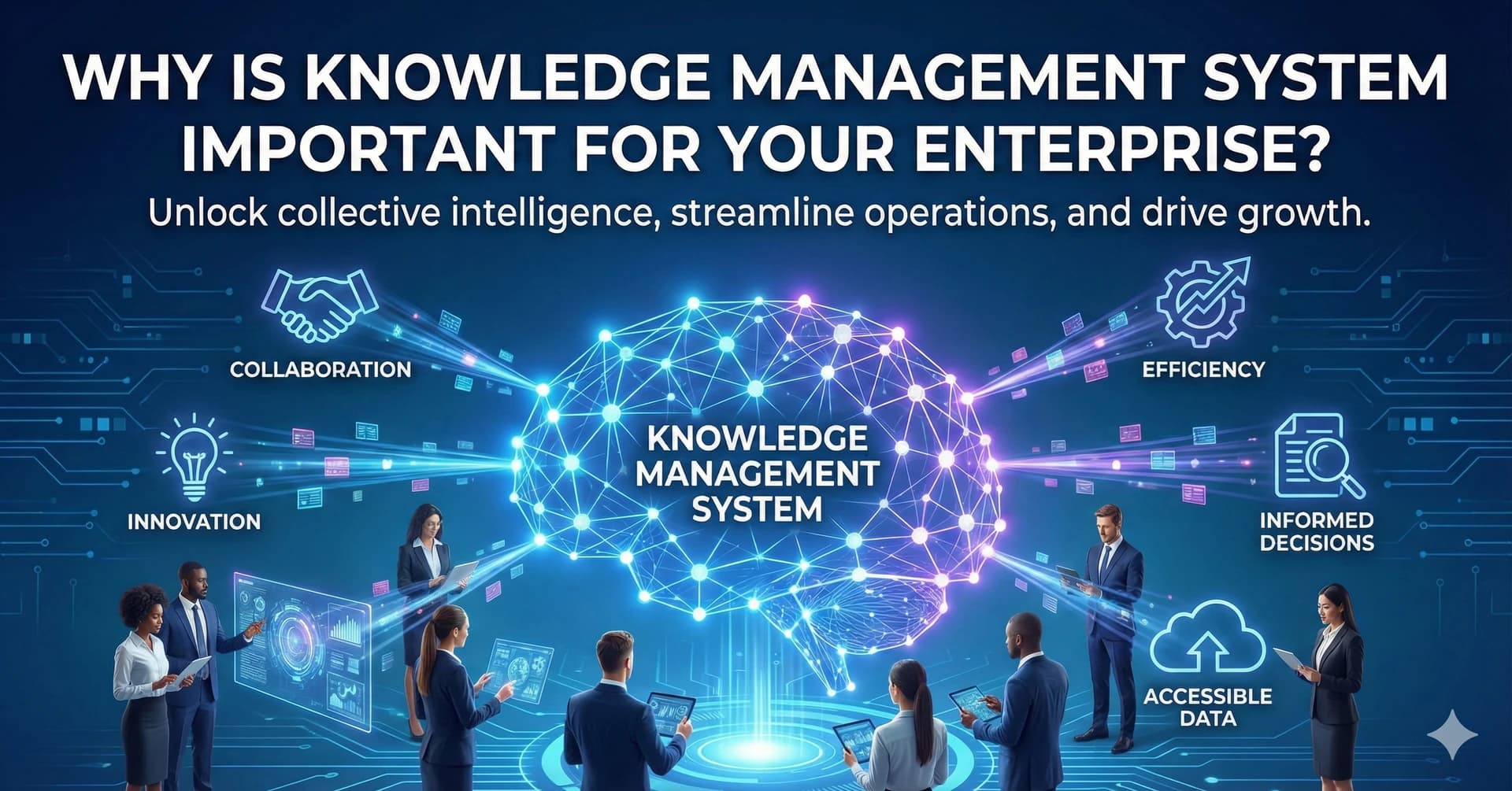
In today's fast-paced business environment, organizations generate and manage vast amounts of information daily. A Knowledge Management System (KMS) helps enterprises capture, organize, and share critical knowledge across teams, improving collaboration, decision-making, and overall efficiency. This comprehensive guide explores why implementing a KMS is essential for modern enterprises looking to maintain competitive advantage and foster innovation.
What is a Knowledge Management System?
A Knowledge Management System is a technology-driven solution designed to collect, store, organize, and distribute knowledge within an organization. It acts as a centralized repository where employees can access information, best practices, documentation, and institutional knowledge that would otherwise remain siloed or lost.
- Key Components of a KMS:
- Knowledge Repository: Central database for storing documents, procedures, and information
- Search and Retrieval: Advanced search capabilities to quickly find relevant information
- Collaboration Tools: Features that enable team members to share insights and work together
- Content Management: Systems to organize, categorize, and maintain knowledge assets
- Analytics: Tools to track knowledge usage and identify gaps
The Critical Importance of Knowledge Management
- Preserving Organizational Knowledge
Employee turnover can result in significant knowledge loss. A KMS ensures that critical information is documented and accessible, preventing knowledge from walking out the door when employees leave.
- Improving Decision-Making
With easy access to historical data, best practices, and expert insights, employees can make more informed decisions quickly. This reduces errors and improves outcomes across the organization.
- Enhancing Productivity and Efficiency
When employees can quickly find the information they need, they spend less time searching and more time executing. This dramatically improves productivity and reduces frustration.
- Fostering Innovation
By making knowledge accessible across departments, a KMS encourages cross-functional collaboration and the sharing of ideas, leading to innovation and creative problem-solving.
- Maintaining Competitive Advantage
Organizations that effectively manage their knowledge can respond faster to market changes, customer needs, and emerging opportunities, maintaining their competitive edge.
Benefits of Implementing a KMS
For Organizations:
- Reduced operational costs through efficiency gains
- Improved customer service and satisfaction
- Better compliance and risk management
- Enhanced employee training and onboarding
- Standardized processes and best practices
For Employees:
- Faster access to information
- Reduced repetitive questions
- Improved collaboration across teams
- Better learning and development opportunities
- Increased job satisfaction
Key Considerations for Implementation
-
- Define Clear Objectives
Before implementing a KMS, clearly define what you want to achieve. Are you focused on reducing onboarding time, improving customer service, or preserving institutional knowledge?
-
- Ensure User Adoption
The success of any KMS depends on user adoption. Make the system intuitive, provide adequate training, and demonstrate clear value to encourage usage.
-
- Create a Knowledge-Sharing Culture
Technology alone isn't enough. Foster a culture where knowledge sharing is valued, recognized, and rewarded.
-
- Start Small and Scale
Begin with a pilot project in one department or for one use case. Learn from the experience and then scale across the organization.
-
- Maintain and Update Content
A KMS is only valuable if the content is current and accurate. Establish processes for regular review and updates.
Challenges and How to Overcome Them
-
Challenge: Resistance to Change Solution: Communicate benefits clearly, involve stakeholders early, and provide comprehensive training.
-
Challenge: Information Overload Solution: Implement robust categorization, tagging, and search functionality to help users find relevant information quickly.
-
Challenge: Keeping Content Current Solution: Assign content owners, establish review schedules, and implement automated reminders for updates.
-
Challenge: Measuring ROI Solution: Define clear metrics from the start, such as time saved, reduced errors, or improved customer satisfaction scores.
Best Practices for Knowledge Management
- Make it Easy to Contribute: Simplify the process of adding knowledge to the system
- Integrate with Existing Tools: Connect your KMS with tools your team already uses
- Use Multiple Formats: Support various content types including documents, videos, and FAQs
- Implement Strong Search: Invest in powerful search capabilities with filters and relevance ranking
- Encourage Feedback: Allow users to rate content and suggest improvements
- Regular Audits: Periodically review and clean up outdated or redundant information
The Future of Knowledge Management
Emerging technologies are transforming knowledge management:
- Artificial Intelligence: AI-powered systems can automatically categorize content, suggest relevant information, and even generate answers to common questions
- Machine Learning: Systems that learn from user behavior to improve search results and recommendations
- Natural Language Processing: Better understanding of user queries and content meaning
- Integration with Collaboration Tools: Seamless connection with platforms like Slack, Teams, and project management tools
Conclusion
A Knowledge Management System is no longer a luxury—it's a necessity for modern enterprises. By capturing, organizing, and sharing knowledge effectively, organizations can improve efficiency, foster innovation, and maintain competitive advantage. The key to success lies not just in selecting the right technology, but in creating a culture that values knowledge sharing and continuous learning.
Investing in a KMS today will pay dividends for years to come, helping your organization navigate challenges, seize opportunities, and thrive in an increasingly knowledge-driven economy.